
The Cold-Chain Rules for Safer Surplus Grocery Sales
Learn how retailers can assess, document, and safely redistribute temperature-sensitive surplus food without relying on dates alone.
Start With a Receiving Record, Not a Guess

Safe surplus food begins with traceability. When a retailer identifies products for redistribution, staff should record the product name, lot or batch code, quantity, use-by or best-before date, source location, packaging format, and required storage temperature. The record should also identify when the item entered the store’s control and whether it has remained in an approved refrigerator, freezer, or ambient area.
Receiving records are especially important when products move from a grocery store to a surplus-food service such as ShelfLife. They create a factual history for every box and help staff decide whether an item is eligible before it is mixed with other inventory. A documented handoff should include the collection time, responsible employee, vehicle or container used, and destination. Local food regulations and product-specific requirements always take priority, but a consistent intake checklist gives retailers a practical foundation for food safety. It also supports customer confidence by making handling and consumption guidance easier to explain.
Verify Temperature Exposure and Packaging Integrity
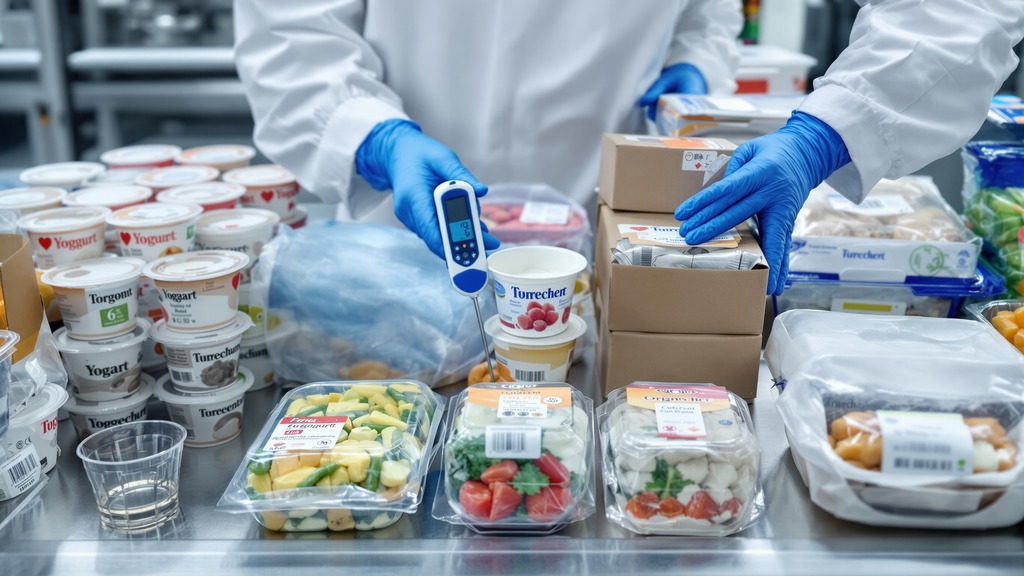
Temperature-sensitive surplus food should be assessed using evidence, not appearance alone. Staff should measure and record the temperature of refrigerated and frozen products at intake, confirm that storage equipment is operating correctly, and review available cooler, freezer, transport, or delivery logs. If a product has experienced an unknown or unacceptable temperature excursion, it should be isolated while a qualified food-safety lead determines whether it can be released under applicable guidance.
Packaging integrity matters just as much. Reject or hold items with broken seals, leaking containers, swollen cans, punctured vacuum packs, damaged protective film, or evidence of thawing and refreezing. Check that labels remain attached and that allergen, storage, and date information is readable. A near-expiry date does not automatically make food unsafe, while a damaged package or uncontrolled temperature history can create a genuine hazard. This distinction allows retailers to reduce avoidable food waste without treating every short-dated product as automatically disposable. Clear acceptance criteria also make decisions more consistent across stores, drivers, and fulfillment teams.
Make Release Decisions Visible and Actionable
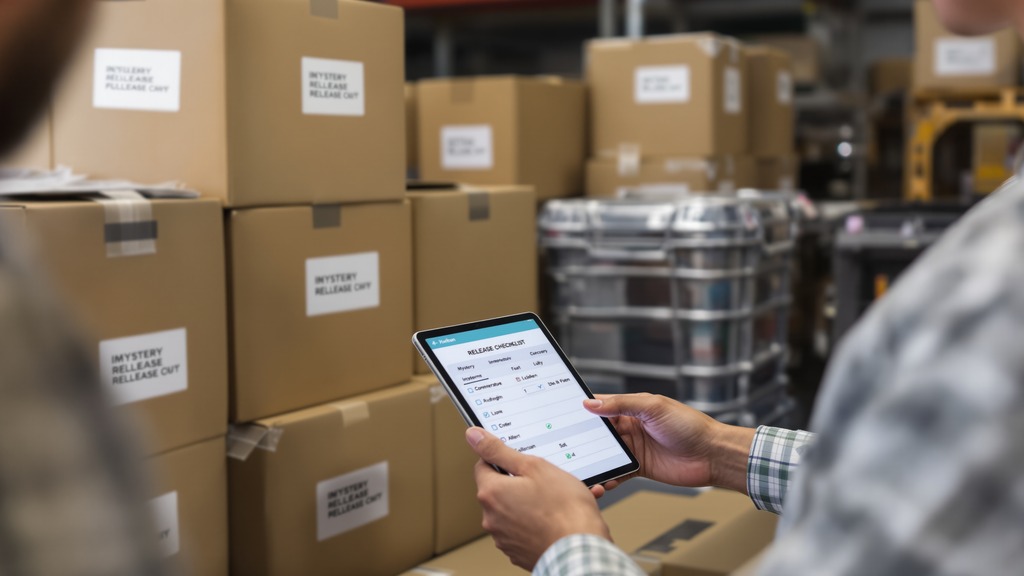
Every surplus item should end with a documented decision: release, hold for review, redirect for another approved use, or discard. The record should state who made the decision, when it was made, which evidence was considered, and any conditions attached to release. For example, a box may require immediate refrigeration, a shorter customer consumption window, or delivery within a defined route time. Staff should never “clear” an item simply because it looks normal or because discarding it feels wasteful.
Before fulfillment, teams can use the release record to generate customer-facing guidance, including storage instructions, allergen information, date context, and which products should be eaten first. Subscription systems can preserve these details alongside box contents, replacement decisions, and customer notifications. Retailers should also review exceptions regularly: repeated temperature excursions, unclear handoffs, or frequent package damage may indicate a process problem rather than isolated incidents. With trained staff, calibrated equipment, documented controls, and a clear escalation path, cold-chain surplus sales can protect households, support grocery retailers, and turn food-safety discipline into a foundation for reducing food waste.